Imagine knowing exactly what is happening around you, yet being unable to vocalise a single word. For the estimated 30,000 people across Aotearoa New Zealand living with aphasia—a condition common after a stroke or brain injury that affects speaking, reading, and writing while leaving intelligence intact—daily communication can be deeply isolating.
For Danya Barnett-Luke, a stroke left her mute for five months. Through rehabilitation and determination, she has made remarkable strides, even launching her own pottery business, Tear Up Buttercup. Crucial to her ongoing recovery is the weekly Aphasia Support Group in Taupō, run by Aphasia New Zealand (AphasiaNZ) Charitable Trust. There, members gather in a judgment-free space to sing and practise language pathways, asking the public simply for patience and comfort with quiet pauses.
This ethos of community empowerment sits at the heart of AphasiaNZ, led by co-founder Katharine Milford, recently made a Member of the New Zealand Order of Merit. As Milford explains, supporting people with aphasia is not about "fixing" them, but giving them the strategies and confidence to live well. Through community advisers and local groups, members rebuild independence, with one Bay of Plenty attendee sharing, "I don’t know what I would’ve done if you hadn’t come to visit me after my stroke."
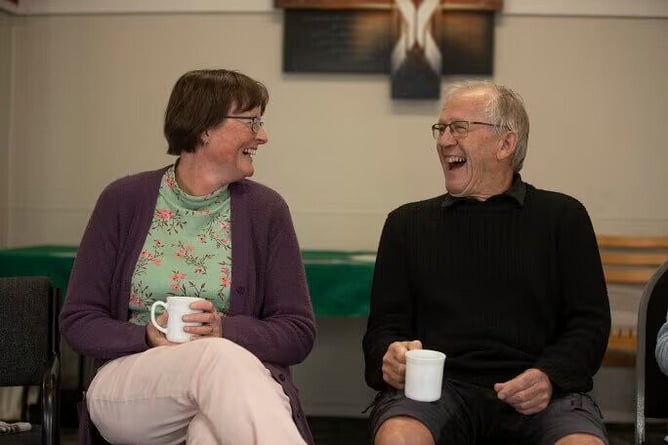
Our Executive Officer, Caroline, recently had the privilege of attending the Tauranga Kōrero Club, facilitated by Kate. Having gathered with this group for over a decade, Kate led the session with a passion, patience, and sense of purpose that was truly inspiring. Caroline came away having learned a great deal, grateful for the warmth and genuine welcome shared by everyone in the room. The photo above captures the infectious joy of Kate with her friends in Kōrero Club.
This article was compiled from two articles featured about Aphasia NZ. The first was published in Taupō & Tūrangi News the second in Sun Live. Photo / John Borren


